


















Table of Contents
- • NetSuite Review Summary
- • About NetSuite
- • Other opinions about NetSuite
- • NetSuite Cloud ERP Overview And Role
- • NetSuite Review
- • NetSuite OneWorld Review
- • NetSuite SuiteTax Engine Review
- • NetSuite Pros & Cons
- • Subscription Setup Considerations
- • NetSuite Return Policy
- • NetSuite Digital Delivery and Access Details
- • NetSuite Contact Options
- • Where to buy NetSuite?
- • Conclusion of NetSuite reviews & ratings
NetSuite Review Summary
NetSuite is a cloud-based enterprise software platform providing integrated ERP and business management capabilities, covering finance, operations, and customer workflows. In the Software category, it often delivers strong multi-entity reporting and automation, though overall implementation experience may be uneven. With robust features and global support, performance tends to impress teams that can manage complexity, but the learning curve and costs are recurring considerations for many buyers.
Highlights
- Audience fit for mid-market to enterprise
- Unified ERP, finance, CRM, and commerce modules
- Requires substantial setup; may include integration and support friction
- Overall: powerful but complex, 4.1/5
In the broader enterprise resource planning and business management software space, NetSuite is a capable option when global structure and compliance matter. However, smaller teams or those seeking simpler deployment may look to more modular alternatives instead. For additional perspectives, NetSuite review provides further context on user experiences.
About NetSuite
Many growing companies struggle to consolidate financial data across entities and currencies. Manual close processes and compliance tasks can slow decisions and add avoidable risk.
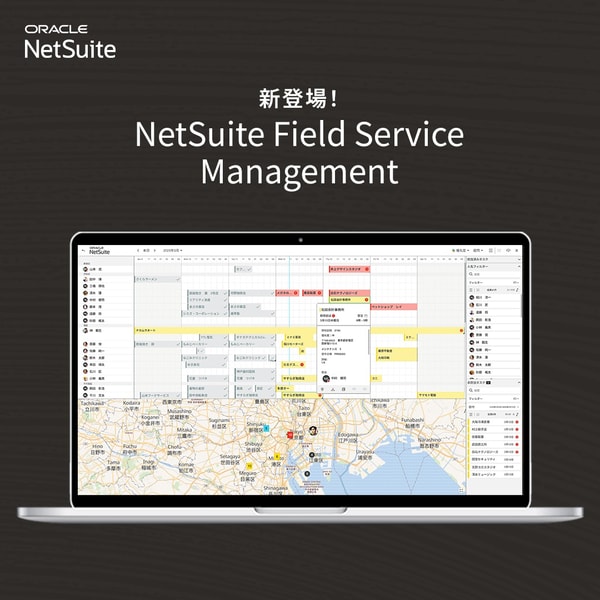
NetSuite is a cloud ERP platform built for integrated finance, operations, and customer management. It supports multi-entity reporting and global tax workflows, fitting the Software category over standalone accounting tools.
NetSuite is used by 43,000+ customers worldwide and is recognized as a Leader in the 2025 Gartner Magic Quadrant for Cloud ERP. Reviews often cite strong real-time visibility and broad customization options, alongside detailed compliance needs.
When evaluating fit, consider total cost and implementation effort before committing. Many organizations report steep learning curves and resource-heavy setup, so compare timelines and support expectations using NetSuite review.
Other opinions about NetSuite
Opinions and insights gathered from trusted review articles and authoritative websites covering NetSuite.
NetSuite Cloud ERP Overview And Role
NetSuite is a cloud-based enterprise resource planning and business management platform used to manage business finances and operations. It originated from software development focused on integrated business processes and has been operated as part of Oracle. In Software, NetSuite supports an end-to-end workflow for accounting and related operational functions, with configuration and modules delivered through a cloud portal. NetSuite is offered as a subscription service.
Operationally, NetSuite combines core financial management with additional capabilities such as global business management, customer relationship management, and commerce support. It is designed to handle multi-entity environments with consolidated reporting and reporting controls across currencies and languages. The platform includes tools for tax management and compliance-related workflows, along with analytics and reporting features used during business close and ongoing finance operations.
Its structure is built around configurable modules and guided implementation through established methodologies. Customers typically subscribe to the platform and select optional modules and users as needed, with setup and integration work performed to match business requirements. A NetSuite review may describe how teams use these components for multi-subsidiary accounting, cash and transaction management, and operational coordination across regions.
NetSuite Review
NetSuite is positioned for mid-market to enterprise organizations that need integrated ERP and financial management across multiple entities and countries. Review notes commonly reference strong support for global financial workflows and structured reporting. Many users also describe a comprehensive set of tools for managing complex operations.

As a cloud-based business management platform, NetSuite brings together core ERP capabilities with financial management workflows designed for multi-entity and cross-border needs. The brand emphasizes support for multi-currency operations and compliance-focused processes. In evaluations, it is often treated as a system that rewards planning and change-management effort before implementation.
NetSuite Highlights
- Real-time visibility
- Multi-entity consolidation
- Multi-currency support
- Financial controls
- Configurable workflows
NetSuite OneWorld Review
NetSuite OneWorld is a cloud-based solution designed for organizations managing multiple subsidiaries, legal entities, and business units globally. It facilitates cross-entity reporting rather than just local bookkeeping functions.
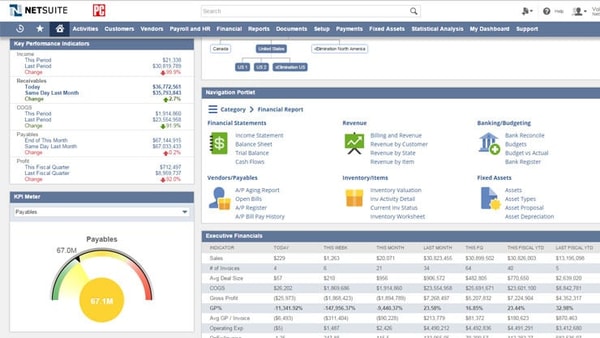
The system supports multi-currency and multi-language operations, enabling real-time consolidated financial reporting and improved visibility into financial performance across entities. This capability aids organizations in managing complex global financial processes.
Key documented features include multi-subsidiary management and real-time consolidated financial reporting. Pricing details were not specified in the provided source information.
Check Price • netsuite.com
NetSuite SuiteTax Engine Review
SuiteTax Engine is referenced as part of NetSuite’s tax management approach for global compliance needs. It is most relevant for teams handling indirect tax requirements across countries and jurisdictions.
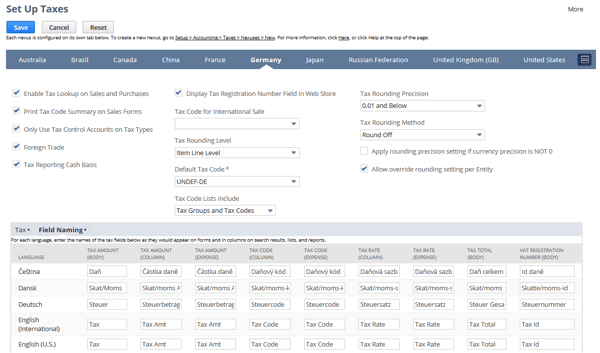
In the provided dataset, the value proposition centers on configurable tax handling linked to compliance workflows. The focus is on managing tax complexity rather than relying on manual spreadsheets.
Key features include a configurable global tax engine, support for multi-country tax regulations, and design intended to support compliance workflows. No pricing details were included in the source provided.
Check Price • netsuite.com
NetSuite Pros & Cons
Supports multi-entity and global financial management workflows, with multi-currency and multi-language support. Real-time financial consolidation and reporting are core capabilities, including embedded AI-enabled automation features. Global tax and compliance tooling helps address cross-region requirements, supported by configurable tax capabilities.
The product approach extends beyond finance into related operational areas such as CRM and commerce. Implementation can be complex and expensive, and some users report customer support responsiveness issues along with added help costs. Some users also cite usability friction, integration challenges, and potential lock-in risk from longer-term contracts.
- • Multi-entity and global financial management workflows
- • Multi-currency and multi-language support
- • Real-time financial consolidation and reporting
- • Embedded AI-enabled automation features
- • Global tax and compliance tooling with configurable tax capabilities
- • Integrated suite approach (finance plus related areas like CRM and commerce)
- • Supports standardization across subsidiaries and geographies
- • SuiteSuccess methodology referenced as an implementation approach
- • Complexity and high implementation costs
- • Reported customer support responsiveness issues and added costs for help
- • Usability friction (learning curve and interface perceptions)
- • Integration efforts may be challenging (stability concerns reported)
- • Long-term contracts may increase lock-in risk
Subscription Setup Considerations
NetSuite is typically evaluated as a subscription-based cloud ERP with optional modules and user-based licensing, along with a one-time implementation or setup fee. This structure matters because early scope decisions can affect total cost and timeline. Since users describe complexity and implementation friction, the evaluation should account for how the project will be resourced.
Focus on data readiness, process mapping, integration planning, and training. Before buying, check whether your entity structure needs OneWorld-style consolidation, whether tax requirements may rely on configurable tax capabilities, and how you will integrate external systems (including what “done” looks like). Also confirm support expectations after go-live and ensure internal bandwidth for configuration and change management.
NetSuite Return Policy
The NetSuite return policy is not documented in the provided source. There is no specified time frame for requesting a return, and no information about the number of days allowed for return eligibility is available. Details regarding any fees associated with returns are also not provided.
Additionally, the source does not mention any specific return conditions or exclusions. Customers seeking information about returns will need to consult NetSuite directly, as the publicly available information does not disclose these elements. The policy details remain unclear based on the current documentation.
NetSuite Digital Delivery and Access Details
NetSuite is delivered digitally for cloud software. Access is provided through an online account and a cloud portal/dashboard. This is not treated as a physical shipment process.
Activation is described as occurring when you purchase and complete setup, rather than through a standard delivery window. After activation, you can log in and use the service through the cloud portal/dashboard. No explicit regional or delivery-time restrictions are stated beyond general global availability.
NetSuite Contact Options
You can reach NetSuite through its official support and contact pages. Use these routes for support questions or procurement-related inquiries, and include the details you need considered (such as entities, tax scope, and integrations) so the request can be directed appropriately.
- Phone: 1-877-638-7848
- Contact page
- Support page
If you do not see email, live chat, or hours in your view, confirm them directly on the official pages before planning your timeline. Contact support using the options above for the fastest routing of your request.
Where to buy NetSuite?
NetSuite is officially available through its corporate website netsuite.com, where accounts, support access, and licensing terms are managed directly from the vendor’s systems. Purchasing this way generally provides clearer policy structure than many marketplaces, including guidance tied to implementation and module selection. Users can expect an online subscription purchase process followed by setup planning, typically with optional add-ons and user access configured during onboarding. Availability via resellers or offline arrangements may exist, but marketplace reliability and policy details can vary.
Conclusion of NetSuite reviews & ratings
NetSuite matters because it brings cloud ERP to complex, multi-entity operations where consistent financial reporting and compliance are essential. It stands out for real-time consolidation, multi-currency and multi-language support, and embedded automation that helps standardize key workflows; you can explore it at netsuite.com.
If you’re comparing options, reviewing details can clarify fit for your organization’s needs and expectations. You can revisit this NetSuite review anytime to refresh what works well and what may require extra planning.
Editorial notes reflect aggregated buyer feedback and our independent editorial review of publicly available information. They are for informational purposes only and do not constitute endorsements. Purchases are made at your own discretion, and we are not responsible for transactions or outcomes related to this store. Experiences may vary. This content is assisted by AI and reviewed by our editorial team. While we strive for accuracy, AI-supported information may not always be 100% precise, so please verify any critical details.

